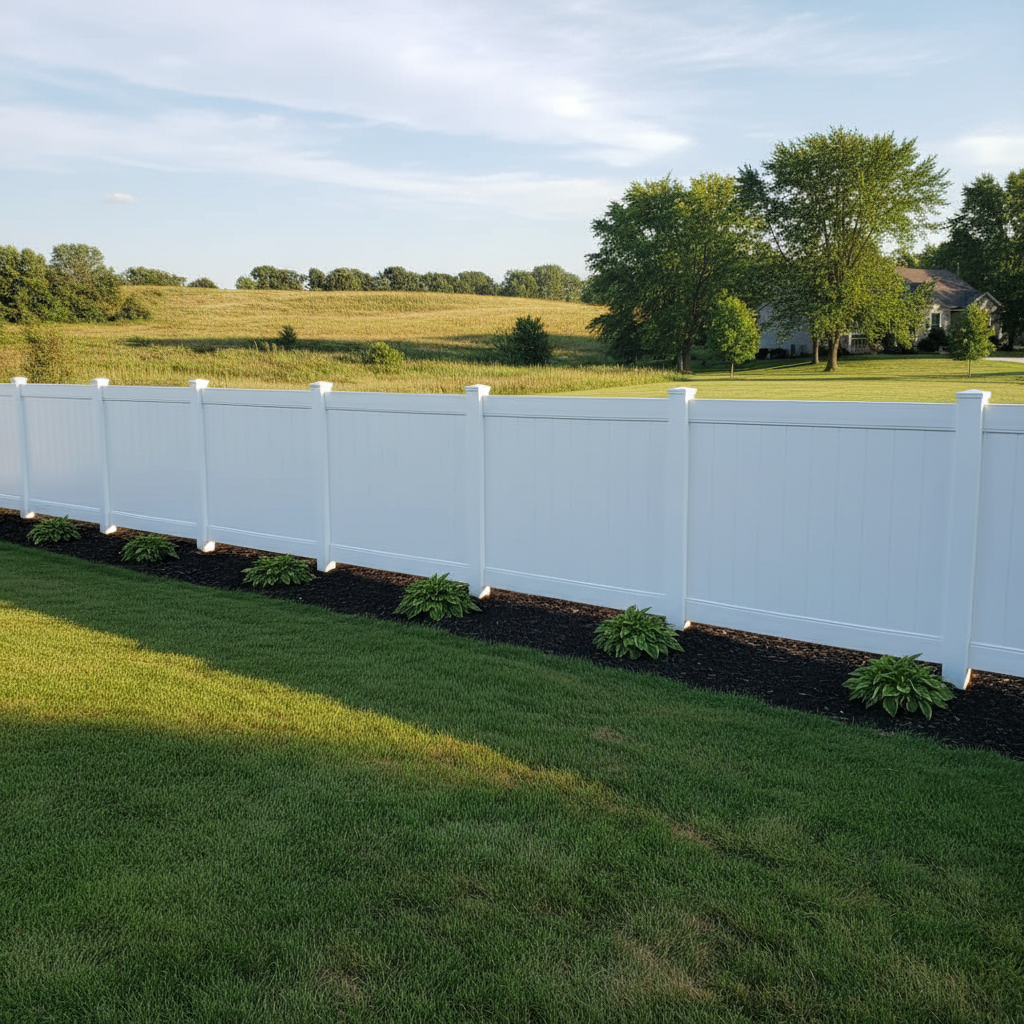
Farm fences aren't just property lines; they're critical for keeping your livestock safe and your land secure. Here in Nebraska, we know a thing or two about tough weather – scorching summers, icy winters, and everything in between. That kind of climate can really put a fence through its paces, so you can't just put it up and forget about it. Proper maintenance isn't just about fixing things when they break; it's about making sure they don't break in the first place.
Extending the Life of Your Farm Fence
You want your fence to last, right? Of course you do. The biggest thing you can do to extend its life starts with the installation itself. Good materials and proper technique from the get-go make a world of difference. When we put up fences at Apex Fencing Solutions, we're thinking about longevity. But once it's in, it's on you to keep an eye on it.
For wood fences, like those classic post-and-rail setups, treating the wood is huge. We get some serious humidity here in the summer, and that moisture, combined with our freeze-thaw cycles in winter, can really accelerate rot. Use a good quality wood preservative or stain every few years. Pay extra attention to the posts where they meet the ground. That's usually where rot starts.
For wire fences, whether it's barbed wire or woven wire, tension is key. Over time, wires can sag due to animals pushing on them, snow loads, or just the ground shifting. Re-tensioning wires periodically prevents animals from getting through and reduces stress on the posts. Also, make sure your corner braces are rock solid. They take the brunt of the tension, and if they fail, your whole line can go slack.
Electric fences need their own kind of care. Keep vegetation cleared away from the wires. Grass and weeds touching the fence will ground it out, making it useless. A good weed eater or herbicide program around the fence line is essential. And always check your charger and ground rod connections. Corrosion can build up, reducing the effectiveness of your shock.
What Regular Maintenance Looks Like
Think of it like checking the oil in your truck – it's a routine you just do. I recommend doing a full walk-through of your fence lines at least twice a year, maybe once in the spring after the snow melts and again in the fall before winter sets in. But honestly, if you're out there with your livestock every day, you're probably already doing a quick visual check.
- Clear Vegetation: This is a big one, especially for electric fences, but also for any fence type. Vines, brush, and even tall grass can put pressure on your fence, hold moisture against posts, and reduce visibility.
- Inspect Posts: Look for leaning posts, especially corner and gate posts. Check for rot at the base of wood posts or corrosion on metal posts. If you can wiggle a post easily, it's a problem.
- Check Wires and Rails: Are there any broken strands? Loose connections? Rust spots? For rails, look for cracks or breaks. Make sure all fasteners are tight.
- Gates: Gates get a lot of use, so they're often the first place to show wear. Check hinges, latches, and sag. A sagging gate is not only annoying but can also compromise security.
- Water Drainage: Make sure water isn't pooling around your fence posts. Good drainage helps prevent rot and erosion around the post base.
Warning Signs of Problems
You don't need to be a fence expert to spot trouble. Your fence will tell you when it's not happy.
- Sagging Wires or Rails: This is an obvious one. If your wires are loose enough for animals to push through, or your rails are bowing, you've got an issue.
- Leaning Posts: A single leaning post can put undue stress on the entire section of fence. If multiple posts are leaning, it could indicate a larger problem with soil erosion or structural failure. Here in Omaha, especially in areas with clay soil, we see a lot of post heaving from frost, which can really mess with alignment.
- Rust and Corrosion: While some surface rust is normal on older metal, deep rust that's flaking off indicates a structural weakness. For electric fences, corrosion on connections means a weaker shock.
- Chewing or Rubbing Marks: If you see animals consistently rubbing or chewing on a section of fence, it means they're uncomfortable or trying to get through. Address that spot immediately.
- Loose Fasteners: Nails pulling out, staples popping, or bolts loosening are all signs that your fence is under stress or just needs a little tightening up.
When to Call a Professional
Look, I'm a big believer in DIY when you can do it safely and effectively. But there are times when you really need to call in the pros. If you've got a major section of fence that's collapsed, or if you're dealing with extensive rot across many posts, that's usually beyond a quick fix.
If you're seeing widespread issues, like multiple corner posts failing, or if you're not sure why your electric fence isn't shocking, it's time to get an expert opinion. Sometimes, what looks like a small problem can be a symptom of a much larger underlying issue. We've seen it all here at Apex Fencing Solutions – from fences damaged by our infamous Nebraska thunderstorms to those just worn out by years of hard use. We can assess the situation, figure out the best course of action, and get your farm back to being secure without you having to spend your entire weekend wrestling with fence posts.
Don't wait until your prize-winning steer is wandering down Dodge Street. A little proactive maintenance and knowing when to call for help can save you a lot of grief and money in the long run.