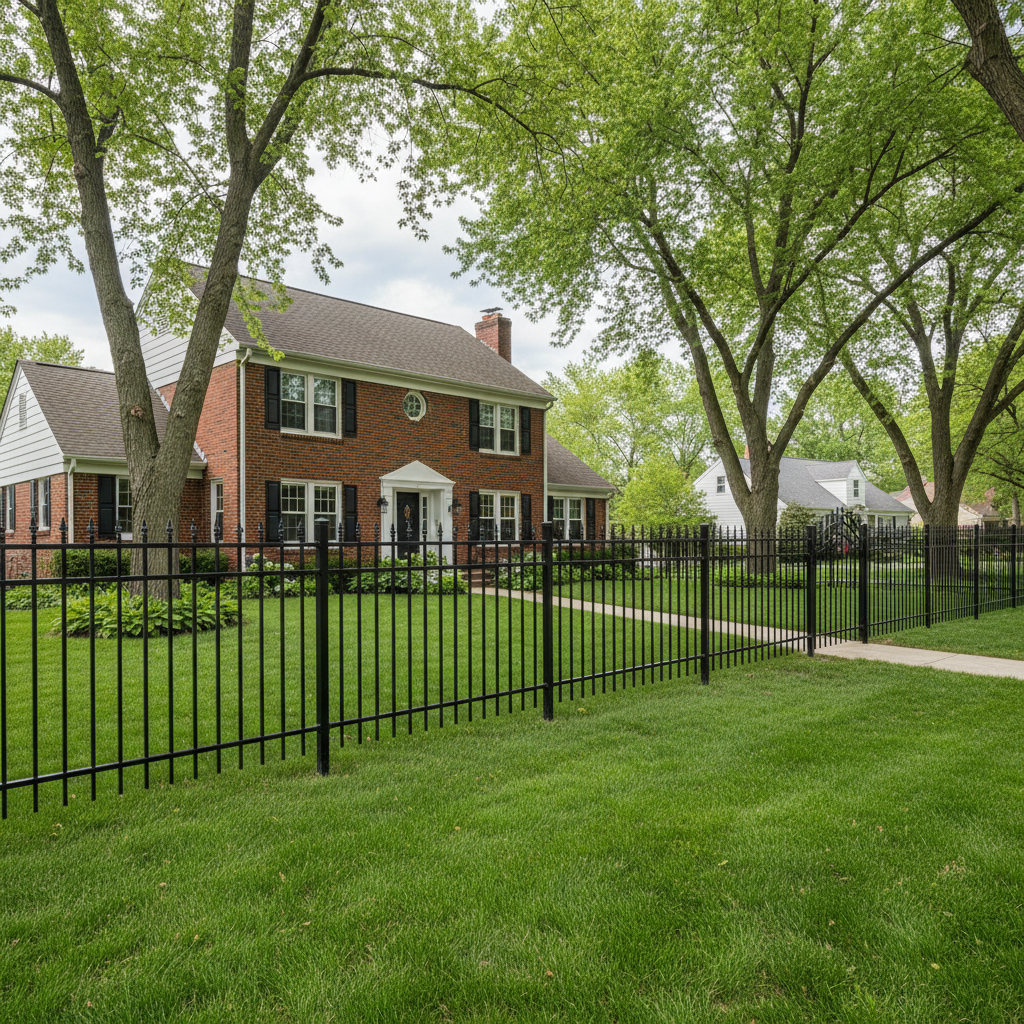
So, you're ready for a new fence, huh? That's great! But before you jump into getting bids, you need to know how to pick the right contractor. It's not just about the lowest price; it's about quality work, reliability, and not getting ripped off. I've seen it all in this business, and I'm here to give you the straight scoop on hiring a fence contractor in Omaha.
Start with the Right Questions
When you're talking to potential contractors, you're basically interviewing them for a job at your house. Don't be shy. Here are some questions you absolutely need to ask:
Are you licensed and insured? This is non-negotiable. If they're not, walk away. A legitimate contractor will have general liability insurance to cover property damage or injury, and workers' comp if they have employees. Ask for proof, not just a verbal 'yes.'
How long have you been in business in Omaha? Experience matters, especially locally. Someone who's been working in Omaha for years understands our soil conditions (hello, clay!), our weather patterns, and local codes. They've probably dealt with everything from frozen ground in January to scorching summers.
Can you provide references? And I don't mean just one or two. Ask for three or four recent customers you can actually call. A good contractor will be happy to provide them.
What's your warranty on labor and materials? A solid company stands behind their work. You want to know what's covered and for how long. Materials usually come with a manufacturer's warranty, but the labor warranty is on the contractor.
Who will be doing the actual work? Your crew or subcontractors? This isn't necessarily a deal-breaker, but it's good to know. If they use subs, ask about their vetting process. You want skilled people on your property.
What's your typical project timeline? From start to finish, what can you expect? Delays happen, but a good contractor will communicate them. You don't want your yard torn up for weeks longer than necessary.
How do you handle unforeseen issues? Sometimes you hit a sprinkler line, or find buried concrete. How do they communicate these issues, and what's their process for resolving them and adjusting the cost?
What to Look For in a Quote
Getting a quote isn't just about the bottom line. It's about understanding what you're paying for. A good quote should be detailed, not just a single number.
Detailed breakdown: It should clearly list the type of fence, materials (e.g., cedar pickets, galvanized posts, specific gate hardware), linear footage, number of gates, and any specific features. You should see labor costs separated from material costs.
Permits: Who's responsible for pulling the necessary permits? In Omaha, a lot of fence projects require one, especially if you're replacing an existing fence or changing its location. Make sure this is clear.
Payment schedule: A reputable contractor won't ask for 100% upfront. A common structure is a deposit (25-50%) to cover materials, with the balance due upon completion and your satisfaction. Be wary of anyone asking for too much money before work even starts.
Cleanup: Will they remove old fencing and debris? Is that included in the price? Don't assume anything.
Start and completion dates: Even if they're estimates, they should be there. It gives you a timeframe to work with.
Red Flags You Can't Ignore
You'll get a gut feeling about people, but here are some concrete things that should make you hit the brakes:
No license or insurance: We already covered this. Big nope.
Cash-only deals or huge upfront payments: This is a classic move for fly-by-nighters. It makes it harder to track payments and offers no protection if they disappear.
High-pressure sales tactics: "Sign today for a discount!" "This price is only good if you commit right now!" A good contractor doesn't need to strong-arm you. They'll give you time to think and compare.
Extremely low bids: If one quote is significantly lower than all the others, there's usually a reason. They might be cutting corners on materials, not paying their crew properly, or not including everything. You get what you pay for, especially with something like a fence that's exposed to Omaha's harsh weather.
No written contract: Everything needs to be in writing. If they just want to shake on it, find someone else.
Poor communication: If they're hard to get a hold of before you even hire them, imagine how bad it'll be when they've got your money and you have a question.
How to Verify Legitimacy
You've asked the questions, you've got the quotes. Now, do your homework.
Check their license and insurance: Ask for copies of their certificates. You can usually verify insurance with the issuing company. For licenses, check with the City of Omaha's planning department or relevant state licensing boards.
Call those references: Ask about their experience, if the project finished on time and budget, and if they'd hire them again.
Look them up online: Check the Better Business Bureau (BBB) for their rating and any complaints. See if they have a professional website and a presence on Google Maps. Look at reviews, but take them with a grain of salt – both overly positive and overly negative ones can be misleading.
Visit a past project (if possible): If they've done work for a friend or neighbor, take a look. See the quality of the installation firsthand.
Finding a good fence contractor takes a bit of effort, but it's worth it. You're investing in your property, and you want that investment to last. Here at Apex Fencing Solutions, we pride ourselves on transparency and quality, and we encourage you to do your due diligence with any contractor you consider. Don't settle for less than a pro who's going to do the job right.