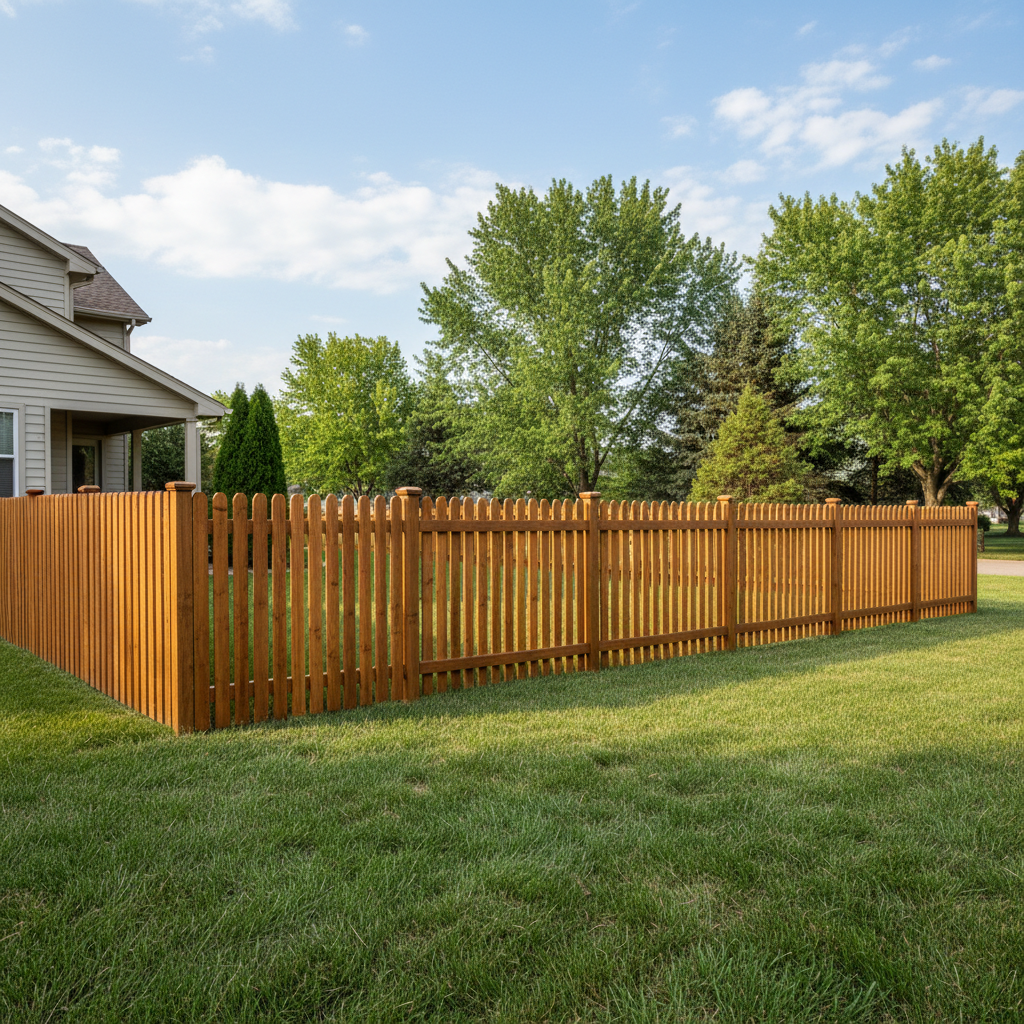
So, you've got a freshly stained or painted fence. Looks good, right? You want that look to stick around for as long as possible, especially with the kind of weather we get here in Omaha. It's not just about curb appeal; a well-maintained finish protects the wood underneath, preventing rot and extending the life of your entire fence. Think of it as a shield against our brutal summers and icy winters.
Extending the Life of Your Fence Finish
The biggest thing you can do to make your stain or paint last is good prep work before it even goes on. But since we're talking maintenance, let's assume that's already done. The key now is minimizing exposure to moisture and UV rays. Our Nebraska sun can be relentless, especially in July and August, baking everything it touches. That intense UV radiation breaks down the pigments and binders in your finish, causing it to fade, crack, and peel.
Moisture is the other big enemy. We get plenty of rain and snow, and if water sits on your fence, it'll eventually get under the finish. That's when you start seeing bubbling, peeling, or even mildew growth. Keeping vegetation trimmed away from the fence helps a lot. If bushes or trees are constantly rubbing against it or holding moisture against the pickets, that area will deteriorate faster than the rest.
Regular Maintenance: What You Should Be Doing
You don't need to be out there every weekend, but a little regular attention goes a long way. I usually tell folks to do a quick visual check twice a year – once in the spring after the snow melts and again in the fall before the real cold sets in. Here's what you're looking for and what you can do:
- Cleaning: A good, gentle cleaning once a year is a smart move. Use a soft brush and a mild detergent solution (like dish soap and water). Don't blast it with a high-pressure washer unless you know what you're doing; you can easily damage the wood or strip the finish right off. Get rid of any dirt, grime, or mildew.
- Spot Treatment: If you see a small area starting to fade or peel, don't wait for it to get worse. Lightly sand the affected spot, clean it, and apply a fresh coat of your original stain or paint. Blending it in can be tricky, but it's better than letting the problem spread.
- Trim Vegetation: Like I said, keep those plants away. Give your fence some breathing room.
- Check for Damage: Look for any loose boards, nails popping out, or areas where the finish looks thin. Address these promptly.
Warning Signs: When Your Fence Needs More Than a Wipe Down
Your fence will tell you when it's unhappy. You just need to know what to listen for. Here are the red flags:
- Fading or Discoloration: If your vibrant stain is now dull and washed out, or your paint is looking chalky, the UV protection is probably gone, and the wood is exposed.
- Cracking, Peeling, or Blistering: This is a clear sign that the finish has failed. Moisture has gotten underneath, or the finish has lost its adhesion. Once it starts peeling, it's not protecting anything.
- Mildew or Algae Growth: Green or black spots mean moisture is present and staying there. This isn't just ugly; it can lead to wood rot if left unchecked.
- Bare Wood Showing: If you can see the raw wood, it's completely unprotected. This is an urgent sign you need to reapply.
- Water Absorption: Splash a little water on the fence. If it soaks in immediately instead of beading up, your finish isn't repelling water anymore.
Especially in older neighborhoods like Dundee or Aksarben, where fences might be decades old, these signs can pop up faster than you'd think. The older the wood, the more it's been through, and the more attention it needs.
When to Call a Professional
Look, I'm a contractor, so I'm obviously going to tell you to call us. But seriously, there are times when a DIY touch-up isn't enough, or it's just not worth your time and effort. You should definitely consider calling Apex Fencing Solutions if:
- Extensive Peeling or Cracking: If more than 20-30% of your fence is peeling, you're probably looking at a full re-strip and re-application. That's a big job that requires specialized equipment and expertise to do right.
- Wood Rot or Damage: If you find soft, punky wood, that's rot. A new coat of paint won't fix structural issues. You might need board replacement before anything else.
- You Don't Have the Time or Tools: Stripping, sanding, and reapplying a finish to an entire fence is time-consuming and labor-intensive. If you'd rather spend your weekends doing something else, that's what we're here for.
- You Want a Consistent, Professional Finish: Getting an even coat, especially with stain, takes practice. Professionals have the right sprayers and techniques to get a flawless look.
- Lead Paint Concerns: If your fence is really old and has multiple layers of paint, there's a chance it could contain lead. That's not something you want to mess with yourself.
Taking care of your fence's finish isn't just about making it look nice; it's about protecting your investment from the elements. A little proactive maintenance now can save you a lot of headaches and money down the road.