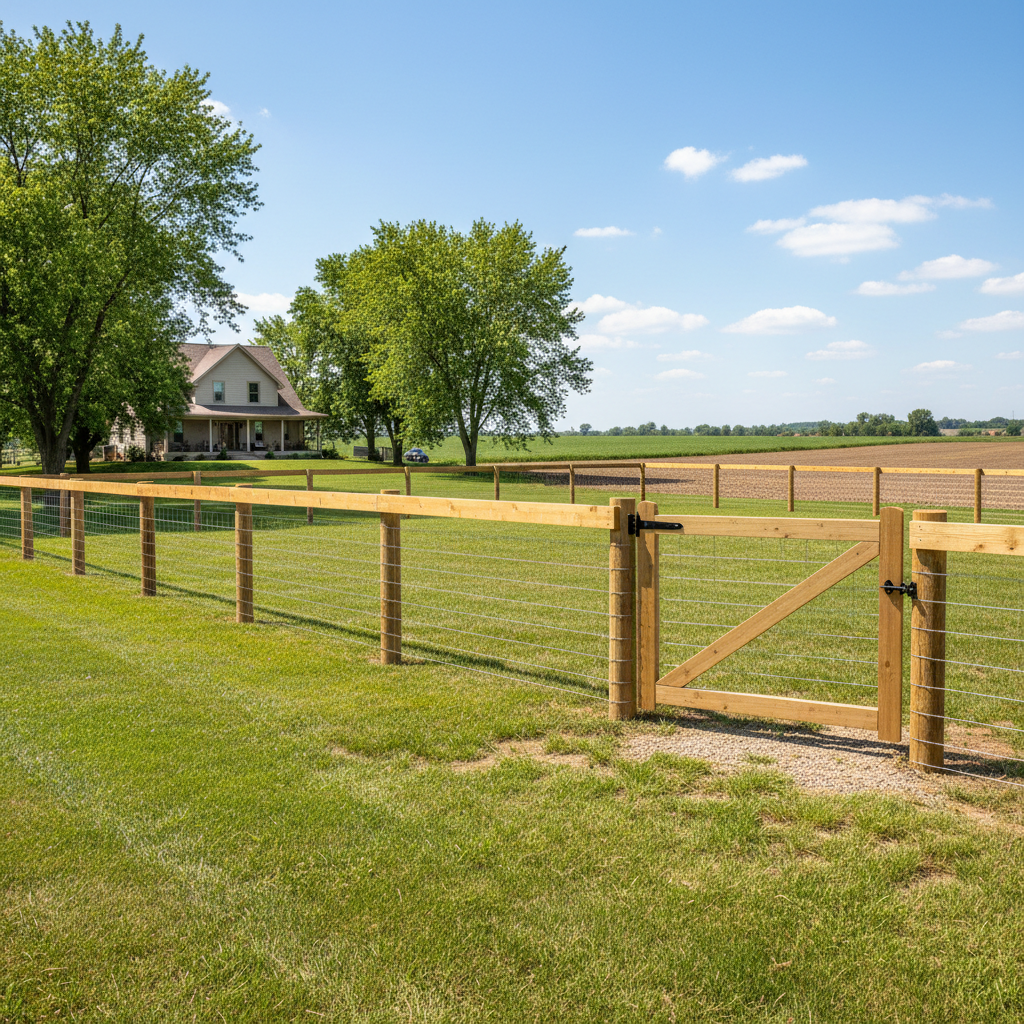
Thinking about putting up a new farm fence around your property here in Omaha? That's a big project, and you want to get it right. I've seen a lot of folks rush into these things without a clear plan, and that usually leads to headaches, delays, and extra costs. Let's talk about how to tackle this so you end up with a fence that serves your needs for years.
Understanding the Timeline for Your Farm Fence
A farm fence isn't like putting up a little picket fence in your front yard. These projects take time, and it's not just the actual installation. You've got planning, permitting, material sourcing, and then the build itself. A realistic timeline for a significant farm fencing project, from initial thought to completion, can easily be anywhere from 2 to 6 months, sometimes more if you're dealing with a really large property or custom materials.
Here's a breakdown:
- Initial Research & Planning (2-4 weeks): This is where you figure out what kind of fence you need – barbed wire, woven wire, high-tensile, electric? What animals are you containing? What's your budget?
- Getting Bids & Choosing a Contractor (2-4 weeks): Don't just get one bid. Talk to a few reputable companies. Compare their approaches, materials, and pricing.
- Permitting (2-8 weeks, or more): This is a big one. Depending on your property's zoning and location, you might need permits from the county or even the city if you're on the outskirts. Don't skip this step; fines are no fun.
- Material Procurement (2-6 weeks): Especially for specialized farm fencing materials, these aren't always sitting in a warehouse down the street. Supply chain issues can pop up, so factor in lead times.
- Installation (1-4 weeks, or longer): The actual build time depends on the length of the fence, the terrain, and the type of fence. A few acres of flat land is much quicker than 20 acres of rolling hills with lots of trees to clear.
See? It adds up. Don't plan on having a new fence up next month if you're just starting this process.
What to Expect During the Process
Once you've picked a contractor like us at Apex Fencing Solutions, here's generally what you can expect:
First, we'll do a detailed site visit. We're not just looking at the fence line; we're checking the terrain, identifying potential obstacles like rock formations or old tree stumps, and noting any existing utilities. We'll mark out the fence line clearly. Sometimes this means using flags, sometimes spray paint. Make sure you're clear on where the fence is going.
Next comes the actual work. This usually starts with clearing the fence line if needed. Then, it's post-setting. This is critical for a strong fence. We're talking about digging proper post holes, often with specialized equipment, and making sure those posts are plumb and set deep enough to withstand our crazy Omaha winds and frost heave. If you've got that heavy clay soil common around here, it can be a real workout, but it also means those posts will be anchored solid if done right.
After the posts are in, the wire goes up. This involves stretching the wire tight – very tight for high-tensile fences – and attaching it securely. Gates will be installed last, ensuring they swing freely and latch properly. You might see some heavy machinery, a lot of dirt moving, and definitely some noise. It's construction, after all.
How to Prepare Your Property
You can help make the project go smoother and potentially save a bit on labor costs by doing some prep work yourself:
- Clear the Fence Line: If you've got overgrown brush, small trees, or debris along where the fence will go, clear it out. The easier it is for the crew to access the line, the faster they can work.
- Mark Property Lines: Be absolutely certain of your property boundaries. If there's any doubt, get a survey done. You don't want to build a fence on your neighbor's land.
- Notify Neighbors: It's just good practice. Let them know a fence project is happening, especially if it's near their property line.
- Secure Animals: Make sure any livestock or pets are secured and away from the work area during construction. It's for their safety and to prevent delays.
- Access: Ensure there's clear access for equipment and vehicles to the fence line. Move any vehicles or obstacles that might be in the way.
Questions to Ask Before Signing a Contract
Don't just look at the bottom line. Ask these questions:
- What specific materials will you use? Don't just accept