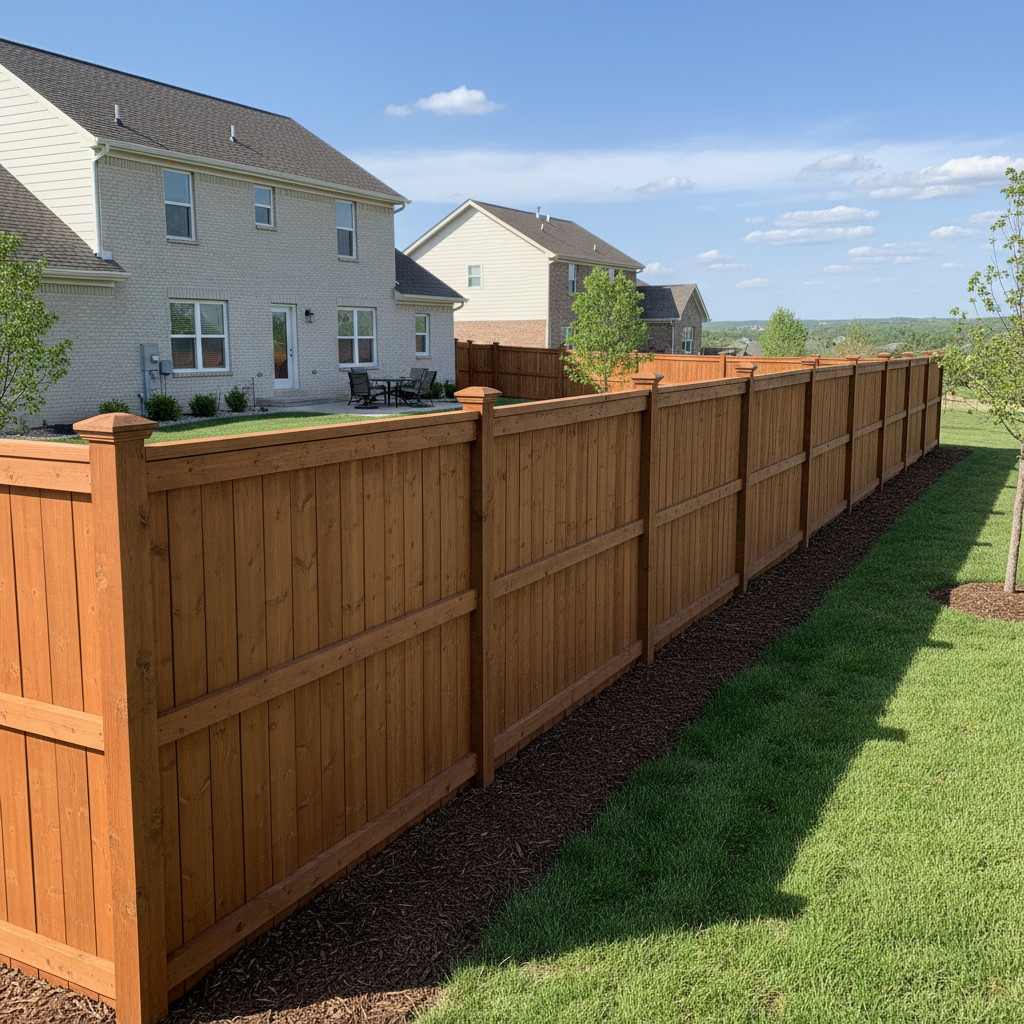
You're ready for a privacy fence, huh? That's a great idea for any Omaha homeowner looking to boost their backyard enjoyment. But hold on a minute before you sign anything or start digging. I've seen a lot of fence projects over the years, and I've also seen a lot of folks make some pretty common, and easily avoidable, mistakes. Let's talk about what to watch out for so you don't end up with buyer's remorse.
Mistake #1: Not Checking Your Property Lines (Seriously!)
This is probably the biggest headache I deal with. You'd be amazed how many people assume they know exactly where their property ends. They'll point to an old fence, a tree, or even just a feeling. Trust me, feelings don't hold up in court. Before you even think about getting quotes, get a copy of your property survey. If you don't have one, you might need to hire a surveyor. It's an upfront cost, but it's way cheaper than having to move a fence because you encroached on your neighbor's yard. Imagine building a beautiful cedar fence only to find out half of it is on their land. That's a mess you don't want.
Mistake #2: Ignoring Local Zoning & HOA Rules
Omaha has specific rules about fence height, setbacks from property lines, and even materials in some areas. For example, if you're in an older, established neighborhood like Dundee or Aksarben, there might be stricter covenants than out in a newer development in Elkhorn. You can't just put up a 10-foot fence if the city ordinance says 6 feet is the maximum for residential properties. And if you're in a homeowner's association, they almost certainly have their own set of rules – sometimes even dictating color or style. Always check with the City of Omaha Planning Department and your HOA (if applicable) before starting. Getting a permit when required isn't just a suggestion; it's the law, and it protects you down the road.
Mistake #3: Choosing the Cheapest Bid Without Asking Why
Look, I get it. Everyone wants a good deal. But when it comes to something as permanent as a fence, the cheapest bid often comes with hidden costs or compromises. Sometimes it's a contractor who isn't properly insured, isn't using quality materials, or is cutting corners on installation techniques. I've seen fences put up with posts that aren't deep enough to withstand our crazy Omaha winds, especially those strong gusts we get in spring and fall. Or they'll use thinner pickets that warp and crack after a year. Ask questions! Why is their bid so much lower? What materials are they using? What's their warranty? A reputable company like Apex Fencing Solutions will be transparent about their pricing and what you're getting for your money.
Mistake #4: Not Considering Maintenance & Longevity
A privacy fence isn't a set-it-and-forget-it deal, especially if you go with wood. Different materials have different maintenance needs. A pressure-treated pine fence will need staining or sealing every few years to protect it from our humid summers and freezing winters. Cedar is more naturally resistant but still benefits from treatment. Vinyl fences are pretty low-maintenance, just needing a wash now and then. Think about how much time and effort you're willing to put into upkeep. If you hate yard work, maybe a high-maintenance wood isn't the best choice, even if it looks great initially.
Mistake #5: Forgetting About Utilities
This one can be dangerous and expensive. Before any digging starts, you absolutely, positively need to call 811. It's the law. They'll come out and mark where your underground utility lines are – gas, electric, water, sewer, cable. Hitting a gas line isn't just a repair bill; it's a serious safety hazard. Don't let anyone start digging until those lines are marked. It's a free service and it could save your life, or at least a massive headache and repair bill.
So, there you have it. Don't rush into your privacy fence project. Do your homework, ask the right questions, and make sure you're working with a contractor who knows what they're doing. A little planning now saves a lot of grief later, and you'll end up with a fence you're proud of for years to come.